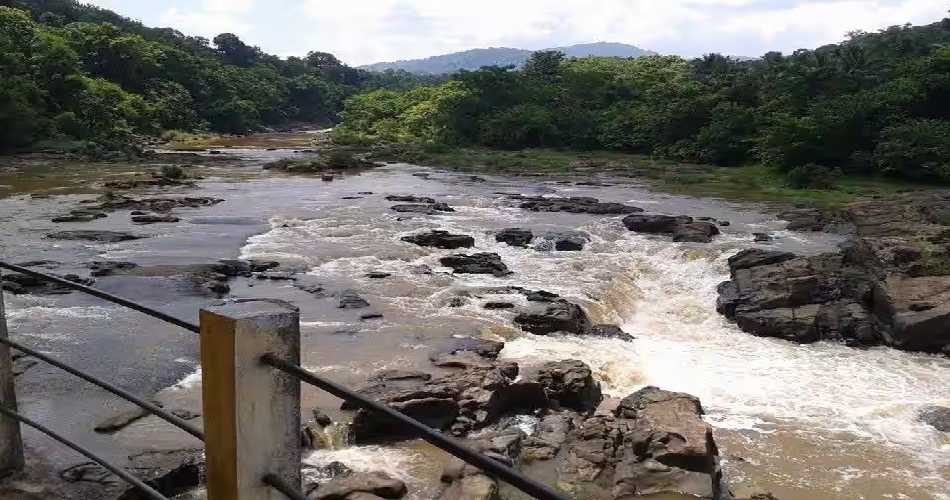
A complete list of every single place in Pathanamthitta would be very long, so the table below focuses on the major and most commonly visited attractions. Fees may change over time, so some places are marked as Free or Not publicly stated.
Day 1 – Aranmula, Heritage, and Culture
- Start your trip with Aranmula, one of the most famous cultural destinations in Pathanamthitta. Visit the Aranmula Parthasarathy Temple, which is known for its spiritual importance, traditional architecture, and peaceful surroundings.
- After that, explore Aranmula village, which is famous for its cultural charm and traditional craft heritage. If you are interested in local traditions, this is a very good place to spend time slowly and enjoy the atmosphere.
- Later in the day, visit St. Mary’s Orthodox Syrian Church at Niranam, which is one of the oldest and most respected Christian pilgrimage sites in Kerala. If time allows, you can also add Kaviyoor for its temple and cave temple experience.
- This day is best for travelers who enjoy history, culture, architecture, and peaceful local sightseeing.
Day 2 – Konni and Adavi Eco Tourism
- Spend the second day in the Konni area, which is one of the best eco-tourism zones in the district.
- Begin with Konni Elephant Camp, also known for its elephant care and forest setting. It is one of the most popular family-friendly attractions in Pathanamthitta and gives visitors a chance to enjoy nature and learn about elephants.
- Next, head to Adavi Eco Tourism. This place is well known for its river views, greenery, and coracle boating. It is an excellent stop for couples, families, and nature lovers who want a relaxed outdoor experience.
- If you still have time in the evening, you can explore the Konni forest side and nearby scenic areas.
- This day is best for nature lovers, families, and visitors who want a mix of greenery, eco-tourism, and soft adventure.
Day 3 – Gavi and Perunthenaruvi
- Start early on the third day and plan for Gavi, which is one of the top natural attractions in Pathanamthitta. Gavi is well known for forests, wildlife, calm landscapes, trekking opportunities, and birdwatching. It is ideal for travelers who enjoy raw natural beauty.
- On the way back, or as an alternative if you want a lighter day, visit Perunthenaruvi Waterfalls. It is a beautiful and refreshing place where you can enjoy flowing water, scenic surroundings, and photography.
- If your visit is more pilgrimage-focused, you may use this day for Sabarimala and Pamba instead.
- This day is best for travelers who enjoy long scenic drives, waterfalls, forest landscapes, and nature photography.
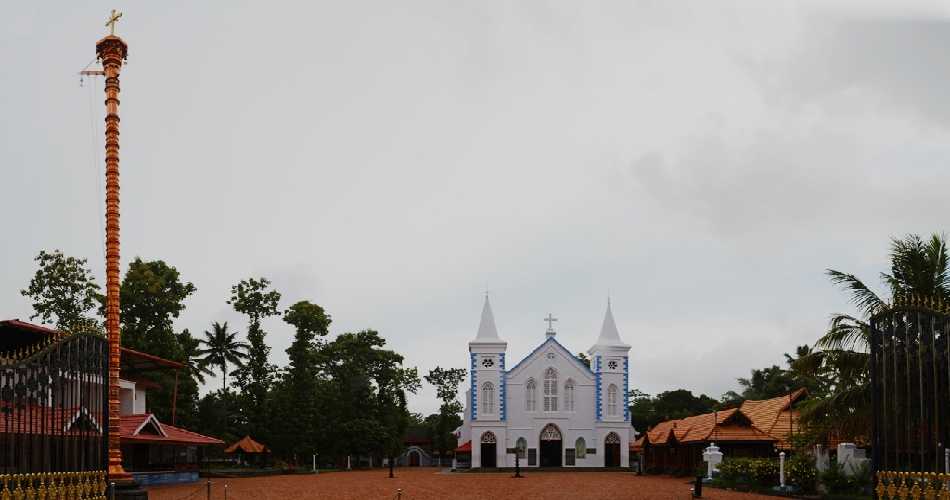
Table of Major Places in Pathanamthitta
| Place | Popularity | Average Time Spent | Fees |
|---|---|---|---|
| Sabarimala Sree Dharma Sastha Temple | Very High | 4–8 hours or full day | Usually free |
| Aranmula Parthasarathy Temple | Very High | 1–2 hours | Free / donation based |
| Gavi | Very High | Full day | Entry fee applicable |
| Konni Elephant Camp | High | 1.5–2.5 hours | Entry/package based |
| Adavi Eco Tourism | High | 2–3 hours | Activity based |
| Perunthenaruvi Waterfalls | High | 1.5–3 hours | Free / Not publicly stated |
| Niranam Church | Medium-High | 45–90 minutes | Free |
| Konni Forest Reserve Area | Medium-High | 1–2 hours | Varies |
| Aranmula Village | Medium-High | 1–2 hours | Free |
| Pamba | Medium-High | 1–2 hours | Free |
| Pandalam Palace Area | Medium | 1–2 hours | Free |
| Kaviyoor Mahadeva Temple | Medium | 45–90 minutes | Free / donation based |
| Kaviyoor Rock Cut Cave Temple | Medium | 30–60 minutes | Free |
| Kadammanitta Devi Temple | Medium | 45–90 minutes | Free |
| Kakki Reservoir | Medium | 1–2 hours | Not publicly stated |
| Charalkunnu | Medium | 1–2 hours | Free / Not publicly stated |
| Mannadi | Medium | 45–90 minutes | Free |
| Maramon Riverside Area | Medium | 30–60 minutes | Free |
| Cherukolpuzha | Medium | 30–60 minutes | Free |
| Vasthu Vidya Gurukulam, Aranmula | Medium | 45–90 minutes | Not publicly stated |
Travel Tips for Pathanamthitta
- Start early for Gavi and Sabarimala because these places can take more time.
- Wear light and comfortable clothes, especially for eco-tourism and temple visits.
- Carry water, snacks, and basic medicines when traveling to forest and waterfall areas.
- During monsoon, be careful near waterfalls and slippery rocks.
- For temple visits, dress modestly and follow local customs.
- Book activities in advance where possible, especially in popular eco-tourism places.

About the Author
I’m a travel blogger and slow-travel explorer passionate about nature, culture, and real-life journeys. Through KeralaOrbit, I share authentic travel stories from Kerala—covering backwaters, hills, beaches, local food, and everyday experiences that reflect the true rhythm of life in God’s Own Country.
Travel Stories & Journey Narratives
HolidayLandmark Stories
– A storytelling platform capturing immersive travel journeys, quiet moments, and meaningful experiences.
Daily Travel Logs (Real-Time Experiences)
Bangalore Orbit – Everyday urban movement, neighborhoods, and city life.
Bhopal Orbit – Calm city walks, lakeside moments, and heritage-rich experiences.
Chennai Orbit – Coastal culture, temples, food streets, and local discoveries.
Gujarat Orbit – Cultural cities, heritage towns, and regional travel moments.
Kerala Orbit – Slow travel through backwaters, hill stations, and coastal Kerala.
Mera Apna Bihar – Grassroots stories and everyday life journeys.
Mumbai Orbit – Fast-paced city life, streets, and urban moments.
City Blogs & Travel Guides
HolidayLandmark Blog – Destination guides, travel tips, and curated experiences.
Bangalore Orbit Blog – Urban exploration, food spots, and city insights.
Bhopal Orbit Blog – Heritage walks, culture, and thoughtful travel.
Chennai Orbit Blog – History, temples, food culture, and coastal travel.
Gujarat Orbit Blog – Regional travel routes and cultural destinations.
Kerala Orbit Blog – In-depth Kerala travel guides, nature, and slow journeys.
Mera Apna Bihar – Stories rooted in Bihar’s people and traditions.
Mumbai Orbit Blog – Travel guides and city exploration from Mumbai.
Through KeralaOrbit and this interconnected travel network, my mission is to promote slow, mindful travel and share authentic experiences that inspire deeper connections with places, people, and local culture across India.
