Introduction
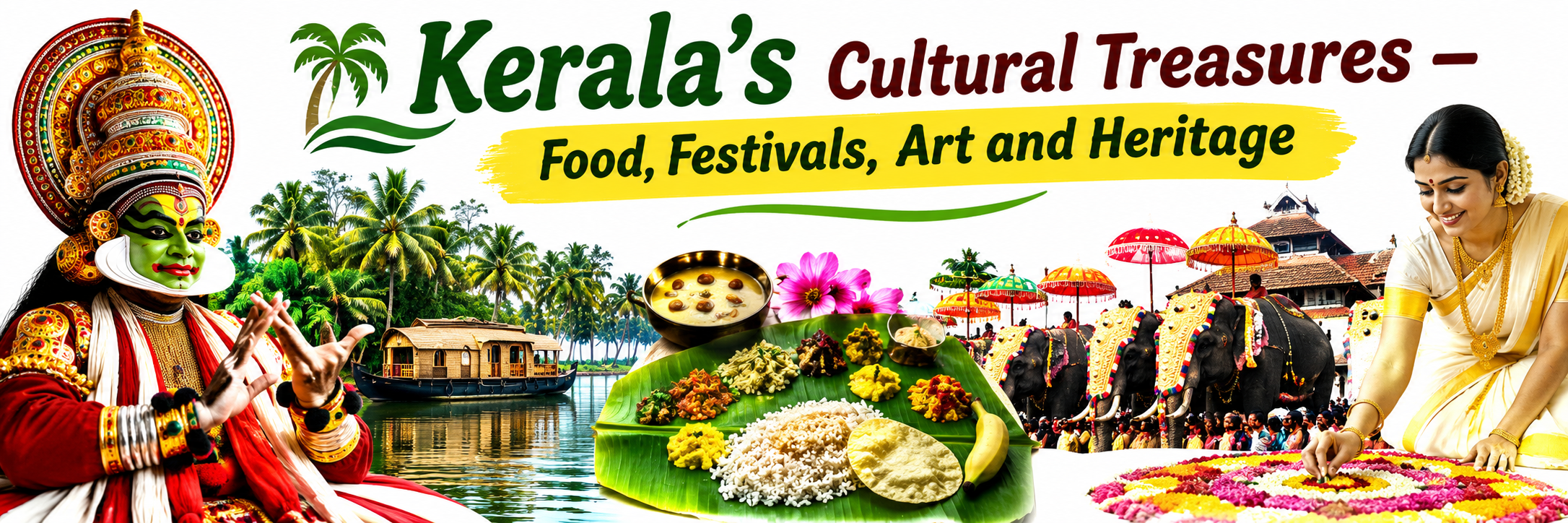
Kerala offers much more than green hills and quiet beaches. It has a rich culture that people can enjoy through food, art, music, festivals, and village life.
Every part of Kerala has its own charm. Some places are known for grand temple festivals. Others are famous for local crafts, dance, and tasty food. Visitors can also learn about old customs and daily life.
The best cultural experiences in Kerala help visitors connect with local people. They also show how history and nature shape life in the state. Kerala Orbit can help readers discover these cultural highlights and plan meaningful visits.
1. Enjoy the Colourful Onam Festival
Onam is one of Kerala’s most loved festivals. Families celebrate it with joy, food, flowers, and games. The festival brings people together across the state.
One of its best-known sights is the Pookalam. People make these flower designs outside their homes. Each design adds colour to the festive mood. Families also prepare a large meal called Onam Sadya.
The meal often includes rice, many side dishes, pickles, and payasam. People serve it on banana leaves. Boat races and cultural shows also add to the fun. Visitors can enjoy public events and learn about the meaning of each custom.
2. Watch a Kathakali Dance Show
Kathakali is a famous dance-drama from Kerala. It uses bright face paint, large costumes, hand signs, and strong body moves. The artists tell stories through their eyes and actions.
A Kathakali show often draws from old Indian stories. The actors may play heroes, kings, gods, or other story figures. Each role has its own makeup style and costume.
Visitors should arrive early when possible. Some venues let guests watch the makeup process before the show. This makes the art easier to understand. A short show with a simple story can be a good choice for first-time viewers.
3. Experience the Power of Theyyam
Theyyam is a ritual art form found mainly in North Kerala. It blends dance, music, bright costumes, and local beliefs. Performers wear striking headgear and face paint.
The event often takes place at village shrines. Drums create a strong beat as the performer moves through the ritual. For local people, Theyyam can hold deep cultural and spiritual meaning.
Visitors should watch with care and respect. They should follow local rules and avoid blocking the event. Photography may not be allowed in some places. It is best to ask before taking pictures. Theyyam offers a close look at the living traditions of North Kerala.
4. Taste the Traditional Food of Kerala
Food is one of the easiest ways to enjoy Kerala’s culture. Local meals use rice, coconut, curry leaves, spices, and fresh produce. Each region has its own food habits.
Kerala Sadya is a popular meal served on a banana leaf. Appam with stew is another well-known choice. Puttu and kadala curry make a filling breakfast. Seafood dishes are also common in many coastal areas.
Visitors should try food from clean and trusted places. They can ask about spice levels and ingredients. People with food allergies should tell the cook before ordering. Local food offers a simple way to learn about Kerala’s daily life.
5. Explore Kerala’s Village Life and Backwaters
Kerala’s villages offer a calm view of local life. Visitors can see coconut trees, small farms, canals, and old homes. Many families still follow work linked to farming, fishing, and local crafts.
A backwater trip can show how people live beside rivers and lakes. Visitors may travel by boat and watch daily activities along the banks. Some village visits also include local food or craft sessions.
Choose a trip that respects local people and nature. Avoid loud music and litter. Ask before taking photos of residents. A slow village visit can offer a deeper view of Kerala than a quick stop at a busy tourist spot.
6. Learn About Kerala’s Traditional Music and Art
Kerala has many forms of music and performance. Chenda drums play a key role in temple events and public shows. Their deep sound can fill an open space with energy.
Other art forms include Mohiniyattam, Koodiyattam, and Ottamthullal. Each has its own style and history. Mohiniyattam uses soft movements and graceful steps. Koodiyattam is a classical form of Sanskrit theatre.
Visitors can look for shows at cultural centres and local events. A short introduction before the show can help explain the art. This makes each performance more meaningful.
7. Visit Historic Places and Heritage Sites
Kerala’s history appears in its forts, palaces, old streets, and places of worship. These sites show the state’s links with trade, faith, and local rulers.
Fort Kochi is known for its old streets and mixed cultural past. Mattancherry Palace offers a look at local history and art. Bekal Fort stands near the sea in North Kerala. Each place tells a different story.
Visitors should check local entry rules before going. They should dress with care at places of worship. A local guide can also explain details that signs may not cover. Heritage visits help people see how Kerala changed over time.
8. Discover Local Crafts and Handloom Work
Kerala has a strong craft and handloom tradition. Local makers create coir items, woodwork, metal objects, and woven cloth. These products often show skills passed down through families.
Kasavu sarees are known for their simple style and gold-coloured border. Coir products use fibre from coconut husks. Artisans also make baskets, mats, and home items.
Visitors can buy crafts from trusted shops or maker groups. They should ask who made the item and how it was made. Fair buying helps support local workers. It also gives visitors a useful item with a story behind it.
9. Join a Local Festival or Temple Celebration
Kerala hosts many local festivals across its towns and villages. Some include music, decorated elephants, lamps, drums, and processions. Others focus on dance, food, or local worship.
Thrissur Pooram is known for its grand scale and strong drum performances. Smaller temple festivals can offer a closer look at local customs. Each event follows its own rules and schedule.
Visitors should plan ahead because festival dates can change. Crowds may also make travel harder. Keep a safe distance from animals and performers. Respect local customs and follow the advice of event staff.
10. Learn Through a Kerala Cooking Experience
A cooking session can help visitors understand Kerala’s food culture. They can learn how cooks use coconut, spices, rice, and local vegetables. Some classes begin with a visit to a market.
A simple class may teach dishes such as appam, vegetable stew, or a local curry. The host can explain how people use each ingredient. Visitors may also learn about family food habits.
Choose a class with clear prices and a clean cooking space. Tell the host about food needs in advance. A small group often gives people more time to ask questions and learn.
Cultural Experiences in Kerala: A Quick Comparison
| Experience | Best known for | Good choice for |
|---|---|---|
| Onam | Flowers, food, games | Families and festival fans |
| Kathakali | Dance and storytelling | Art lovers |
| Theyyam | Ritual dance and costumes | Culture seekers |
| Kerala Sadya | Traditional food | Food lovers |
| Village visits | Local life and nature | Slow travellers |
| Classical arts | Music and dance | History and art fans |
| Heritage sites | Forts and old buildings | History lovers |
| Handloom crafts | Local skills and products | Craft lovers |
| Temple festivals | Music and local customs | Festival visitors |
| Cooking classes | Food and home recipes | Hands-on learners |
Real Experience and Personal Stories
A cultural visit does not need a packed schedule. A visitor can spend one morning in a village, enjoy a local meal, and watch a dance show later. Small moments can often teach more than a long list of places.
For example, imagine a family joining a cooking class near a backwater village. They learn to make a simple curry and hear how local people use coconut in daily meals. This is an illustrative example, not a reported visitor story.
For a real personal account, a blog publisher should add a verified interview or first-hand visit notes. This keeps the content honest and useful.
Case Studies and Success Stories
Local culture can support small businesses and local workers. A craft shop can sell handwoven cloth. A village host can offer food lessons. A local artist can earn from a dance show.
These activities work best when visitors pay fair prices and respect local rules. They should also choose hosts who explain where the money goes. This can help visitors support the people who keep local skills alive.
A real success story needs a named person or group and checked details. Without that proof, it would be wrong to claim that one project achieved a certain result. Readers can still use these examples to understand the link between culture and local income.
Original Insights and Opinions
The best cultural experiences in Kerala are not always the biggest events. A quiet meal with a local host can be just as special as a large festival. A short craft lesson can also leave a lasting memory.
Visitors should not treat local customs as a show made only for tourists. These traditions matter to the people who practise them. Respect makes the visit better for everyone.
My view is simple: choose fewer activities and spend more time at each one. Learn the story behind the food, dance, or craft. This approach helps visitors understand Kerala with care.
Industry Statistics and Research Data
Kerala’s culture includes many art forms, food customs, festivals, and craft skills. Official tourism and heritage bodies share details about these traditions. Such sources can help readers check event names, places, and cultural facts.
This article does not add visitor totals or market figures. No verified data set has been used here to support such numbers. Adding a number without a clear source could mislead readers.
For a data-led update, the publisher should check official tourism reports and recognised cultural bodies. The report name, date, and method should appear beside each figure. This helps readers judge the data with care.
Step-by-Step Guide to Planning a Cultural Visit
- Choose the culture you want to explore. It may be food, dance, crafts, or festivals.
- Pick a region that fits your interest. North and South Kerala offer different local traditions.
- Check event dates with local organisers. Do not rely only on old travel posts.
- Book a trusted guide or host when needed. Ask about the price and what the visit includes.
- Learn basic local manners. Ask before taking photos or entering private spaces.
- Keep time for local food and rest. Do not rush from one event to another.
- Support local makers by buying genuine goods. Pay a fair price for their work.
- Leave the place clean and respect local rules.
Expert Interviews and Quotes
A good cultural article can become stronger with views from local artists, cooks, guides, and craft workers. They can explain how a tradition works today and what visitors often misunderstand.
This article does not include direct expert quotes. No interview was supplied or carried out for this draft. It would be misleading to create a quote and attach it to a real person.
For a future update, ask an artist about training and performance rules. Ask a cook about local ingredients. Ask a craft worker about the time and skill behind each item. Use their words only with permission.
Detailed Comparisons: Festival Visit vs Village Visit
A festival visit gives visitors a lively view of public culture. It may include music, dance, food, and large crowds. A village visit often feels slower and more personal.
| Point | Festival visit | Village visit |
|---|---|---|
| Mood | Busy and lively | Calm and relaxed |
| Main focus | Public customs and shows | Daily life and local work |
| Planning | Event dates matter | Host booking may help |
| Crowd | Often large | Often smaller |
| Best for | Festival fans | Curious slow travellers |
Neither option is better for everyone. Choose a festival if you enjoy large events. Choose a village visit if you want more time to talk and learn.
A Simple Framework for a Meaningful Cultural Trip
Use the four-part CARE plan to make your visit more thoughtful:
- C – Connect: Speak with local hosts and learn about their work.
- A – Ask: Check rules before taking photos or joining an event.
- R – Respect: Follow local customs and keep public places clean.
- E – Encourage: Support local artists, guides, cooks, and craft makers.
This simple plan can help visitors make better choices. It also keeps the focus on people, not only places. A good cultural trip should create value for both visitors and local communities.
Real Examples and Useful Travel Choices
A food lover can plan a Sadya meal and a cooking class. An art lover can watch Kathakali and learn about Mohiniyattam. A history fan can visit Fort Kochi and Mattancherry Palace.
Families may enjoy a village visit with a short boat ride. Craft lovers can meet local makers and learn about handloom work. Festival fans can plan around a local event after checking its date.
Kerala Orbit can help readers explore ideas for trips across Kerala. Readers can use its travel content to discover places and plan a trip that matches their interests. Always check local details before booking.
Frequently Asked Questions About Kerala Orbit
1. What are the best cultural experiences in Kerala?
Onam, Kathakali, Theyyam, local food, village visits, and craft tours are popular choices. Each offers a different view of Kerala’s culture.
2. Which dance forms should visitors watch in Kerala?
Kathakali and Mohiniyattam are well-known choices. Visitors can also explore Theyyam and Koodiyattam.
3. What food should visitors try in Kerala?
Try Kerala Sadya, appam with stew, puttu with kadala curry, and local seafood. Ask about spice levels before ordering.
4. Is Onam a good time to learn about Kerala’s culture?
Yes. Onam offers food, flower designs, games, and public events. Check local event dates before planning.
5. Where can visitors watch Theyyam?
Theyyam is mainly linked with North Kerala. Local shrines and event organisers can share details about public performances.
6. Can visitors learn Kerala cooking?
Yes. Some hosts and cooking schools offer local food sessions. Check the menu, price, and class details first.
7. Are Kerala’s village visits suitable for families?
Many village visits suit families. Choose a safe trip with clear timings and suitable travel plans.
8. What local crafts can visitors buy in Kerala?
Visitors can look for Kasavu cloth, coir goods, woodwork, and handmade items. Buy from trusted makers when possible.
9. How can visitors respect local culture?
Dress with care at places of worship. Ask before taking photos. Follow local rules and avoid disturbing rituals.
10. How can Kerala Orbit help readers explore Kerala?
Kerala Orbit can help readers find travel ideas and learn about places across the state. Visitors should check current local details before making plans.
Final Thoughts
Kerala’s culture comes alive through its food, art, festivals, and people. Each experience gives visitors a new way to understand the state.
You do not need to see everything in one trip. Pick a few activities that match your interests. Take time to learn, ask questions, and respect local customs.
From a Kathakali show to a home-cooked meal, each moment can add meaning to your visit. Kerala Orbit can help readers find ideas for a thoughtful journey. Travel with care, support local people, and enjoy the many cultural experiences in Kerala.
